< Back to Journal
November 24, 2025
What is Terroir? Through the eyes of our Director of Vineyard Management – Jake Knobloch
Pairs with
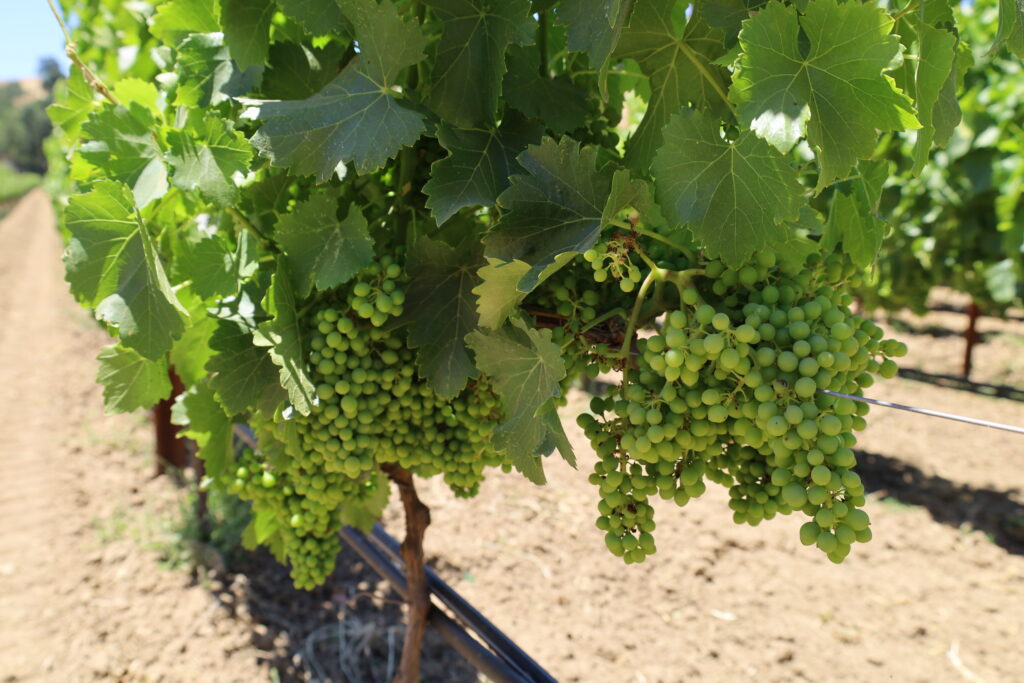
Terroir refers to the unique qualities that are specific to a vineyard site. Terroir creates the character and personality of your vineyard. All of the following pillars impact the flavor of your grapes and wines. The color, the tannins, the mouth feel, and the finish of a wine are affected by this term. To help understand Terroir, we will break it up into four components that are commonly used:
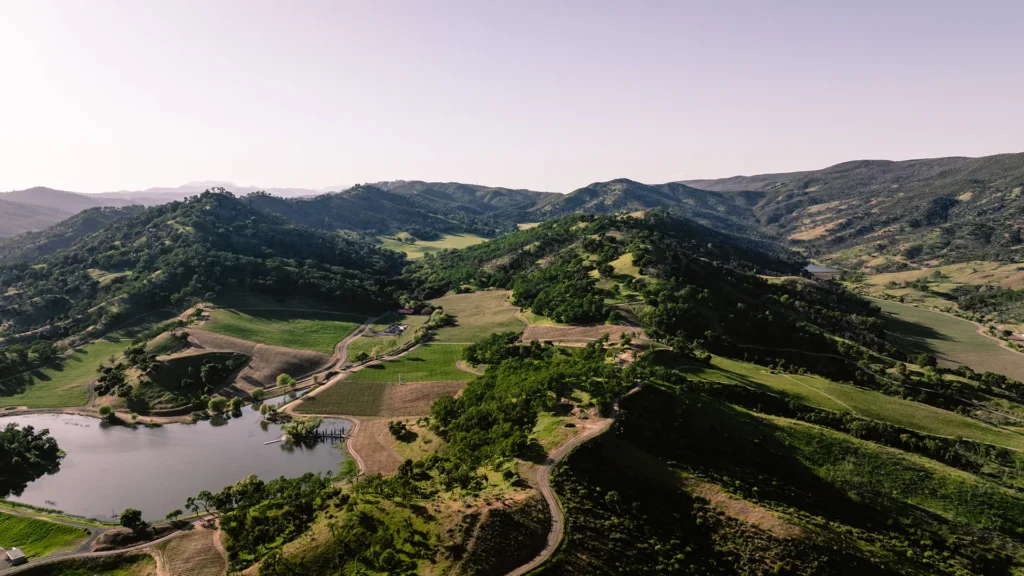
Climate: This can encompass big-picture macro-climates or be dialed down to micro- or meso-climates. When I say ‘Big Picture,’ how was your weather this year? Was the winter cold? How much rain did we get? When did the rains stop? Did we have frost events? Was the weather good during Bloom? How about at Set? Did we have a lot of fog? How many days over 100 did we have? When did Fall arrive? How hot or cold was the harvest? When did we get our first rains? On a micro level, every vineyard block has a slightly different pattern. The west side of the ranch experiences a coastal influence, resulting in cooler mornings and evenings. The east side has more Capell Valley flavor—higher daily and nightly temperatures.
Soil Type: This may be one of the most essential pieces. Soil types include clay, sand, silt, and loam. There are more, but we only need to discuss these today. Soils help us understand the strength of a vineyard. It can also impact grape and cluster size. These soil types are defined by particle size. Each of these types has distinct water retention, drainage, and nutrient availability characteristics. Depending on your soil type, you will likely make different farming decisions. Berryessa Dibble Complex, Los Gatos Loam, Pleasanton Loam, and Millsholm Loam.
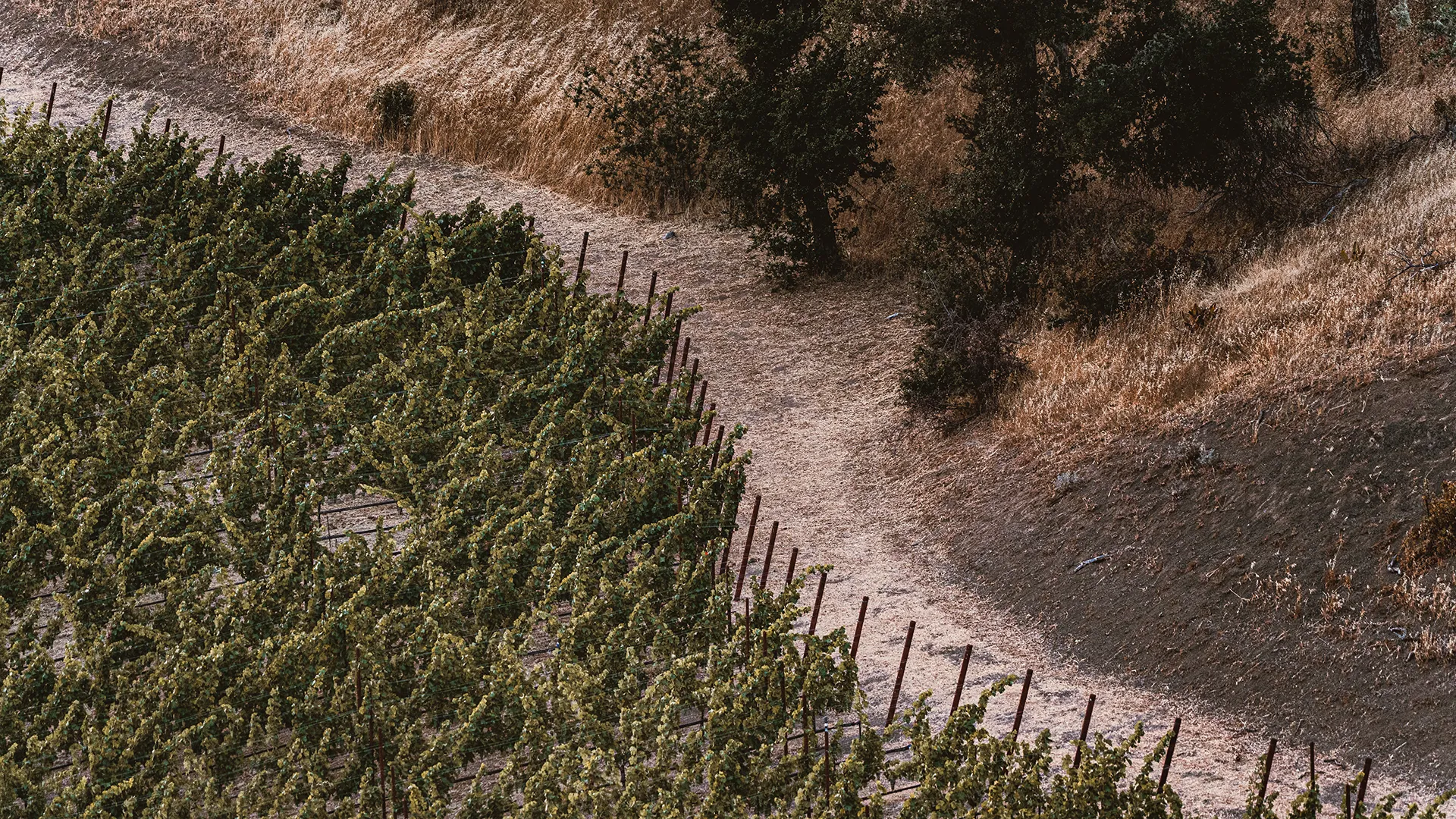
Geomorphology: If soil type defines what type of soil we have, geomorphology explains how the vineyard is shaped. Some of these attributes that we measure or note are the Aspects. Which direction is the vineyard facing? The slope tells us how steep it is and how we can farm it. If the slopes are greater than 30%, it will be difficult to farm with a tractor. The Elevation is essential to understanding how temperatures may change or remain consistent. Are there bodies of water nearby? Oceans and lakes increase humidity and can reduce temperatures, which in turn increases mildew and botrytis pressure.
Other organisms growing in, on, and around our vineyards – These have a relatively broad impact on flavor or quality, but are worth noting. We have over 60 owl boxes. Not all boxes are occupied, but they will likely be soon, as nesting starts. The barn and screech owls eat rodents like gophers and voles that feed on the vines’ roots. Owls are very efficient hunters at night. During the day, the raptors go to work helping keep the vineyards bird and rodent-free. The coyotes also do their fair share of hunting. The deer and the bears do a little feeding in the vineyards, but keep their distance for the most part. The ladybugs are eating the unwanted insects. The fish in our ponds are harvesting the insects and providing us with nutrient-rich water. All of these organisms play a part in improving the health of our vineyards and Terroir.
< Back to Journal